
AI Chatbots for Customer Support: How Artificial Intelligence Is Revolutionizing Customer Service in 2026
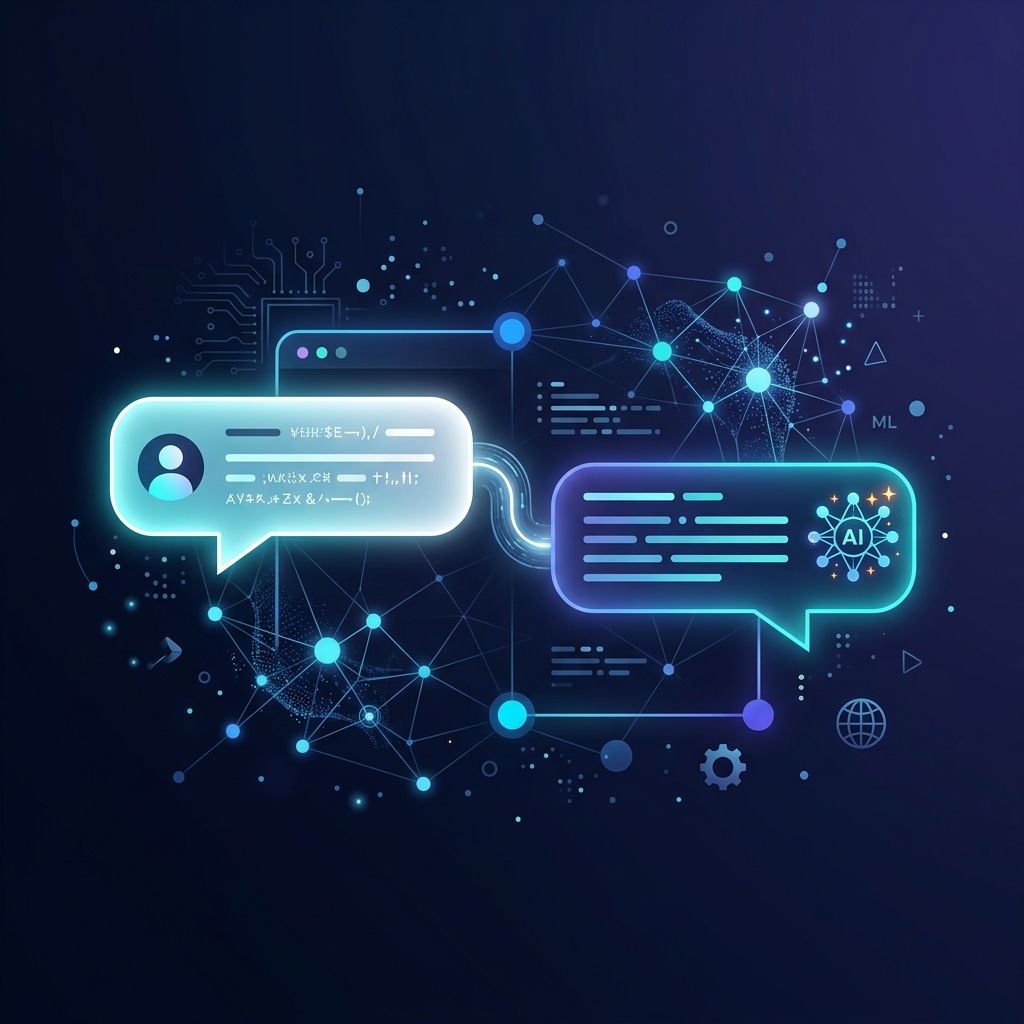
AI Chatbots for Customer Support: How Artificial Intelligence Is Revolutionizing Customer Service in 2026
By SoftClinch Consulting Services | 10 min read
Customer support has become one of the most important factors influencing customer loyalty and business growth. In today's digital economy, customers expect immediate responses, personalized assistance, and seamless interactions across websites, mobile apps, WhatsApp, social media, and email. Businesses that fail to meet these expectations often experience lower customer satisfaction, increased churn, and higher operational costs.
Traditional support models, which rely heavily on phone calls, email tickets, and manual responses, are struggling to keep pace with growing customer demands. Support teams are expected to handle increasing inquiry volumes while maintaining high service quality and fast response times. This challenge has led many organizations to adopt AI-powered customer support solutions.
Artificial Intelligence (AI) chatbots are transforming the way businesses interact with customers. Powered by technologies such as Natural Language Processing (NLP), Machine Learning (ML), Large Language Models (LLMs), and Generative AI, modern chatbots can understand customer intent, provide accurate answers, automate repetitive tasks, and seamlessly transfer complex conversations to human agents when necessary.
From eCommerce stores and SaaS companies to healthcare providers, financial institutions, educational organizations, and enterprises, AI chatbots are helping businesses deliver exceptional customer experiences while reducing support costs and improving operational efficiency.
Why Traditional Customer Support Is No Longer Enough
Customer expectations have changed significantly over the past few years. People no longer want to wait hours for an email response or spend long periods on hold. They expect businesses to be available whenever they need assistance.
At the same time, companies are managing higher support volumes across multiple communication channels. As organizations grow, manual customer support becomes increasingly difficult to scale.
Businesses relying solely on traditional support often face challenges such as:
- Slow response times
- High support costs
- Increasing agent workloads
- Inconsistent customer experiences
- Limited support availability
- Difficulty handling peak demand
- Lower customer satisfaction
- Reduced customer retention
These challenges impact both customer experience and operational efficiency. Businesses need a solution that combines speed, scalability, and personalization without significantly increasing staffing costs.
AI chatbots address these challenges by automating repetitive interactions while allowing human agents to focus on more complex customer needs.
What Is an AI Chatbot for Customer Support?
An AI chatbot is an intelligent virtual assistant that communicates with customers using natural language. Unlike traditional rule-based chatbots that rely on predefined scripts and keyword matching, AI chatbots understand context, intent, and conversational flow.
Modern AI chatbots use advanced technologies such as:
- Artificial Intelligence (AI)
- Natural Language Processing (NLP)
- Machine Learning (ML)
- Large Language Models (LLMs)
- Knowledge Base Retrieval
- Generative AI
These technologies enable chatbots to provide dynamic, conversational responses instead of simple predefined answers.
For example, if a customer asks: "I ordered a product yesterday but haven't received any shipping update."
An AI chatbot can:
- Verify the customer's identity.
- Retrieve order information from integrated systems.
- Check shipping status in real time.
- Provide estimated delivery dates.
- Offer additional assistance if needed.
- Escalate the conversation to a live agent when appropriate.
The customer receives immediate, accurate support without waiting in a queue.
How AI Chatbots Work
AI chatbots combine intelligent technologies with business systems to automate customer interactions efficiently.
Customer Initiates a Conversation
Customers can contact businesses through website live chat, WhatsApp, Facebook Messenger, Instagram Direct Messages, mobile applications, customer portals, email integrations, and SMS. The chatbot acts as the first point of contact.
AI Understands Customer Intent
Instead of looking for exact keywords, AI analyzes customer intent, conversation context, previous interactions, language patterns, sentiment, and user behavior. This allows the chatbot to understand what the customer actually wants, even if the wording varies.
Business System Integration
Modern AI chatbots integrate with CRM platforms, ERP systems, helpdesk software, knowledge bases, inventory management systems, order management platforms, and payment gateways. This integration enables the chatbot to retrieve accurate information and perform business actions in real time.
Intelligent Response Generation
Using Generative AI, chatbots generate contextual and personalized responses rather than selecting fixed replies. They can assist with order tracking, product recommendations, account management, appointment scheduling, billing inquiries, subscription updates, and technical troubleshooting.
Human Agent Handoff
When a conversation requires empathy, negotiation, or specialized expertise, the chatbot transfers the customer to a human support representative while preserving the conversation history. This ensures a seamless customer experience without requiring the customer to repeat information.
Why Businesses Are Investing in AI Chatbots
Organizations across industries are adopting AI chatbots because they improve customer service while reducing operational costs.
24/7 Customer Support
Customers expect support outside traditional business hours. AI chatbots provide continuous assistance, ensuring customers receive help at any time.
Faster Response Times
Instant responses reduce customer wait times, improve satisfaction, and decrease abandonment rates.
Lower Operational Costs
By automating repetitive questions, businesses reduce the workload on support teams, allowing human agents to focus on more complex issues.
Improved Customer Satisfaction
Quick, personalized, and consistent support experiences increase customer trust and loyalty.
Scalability
AI chatbots can manage thousands of simultaneous conversations, making them ideal for businesses experiencing seasonal demand, rapid growth, or high inquiry volumes.
Key Benefits of AI Chatbots for Customer Support
| Benefit | Business Impact |
|---|---|
| Instant Responses | Improve customer satisfaction and reduce wait times |
| 24/7 Availability | Provide continuous customer assistance |
| Lower Support Costs | Reduce manual workload and staffing requirements |
| Personalized Conversations | Enhance customer engagement and loyalty |
| Omnichannel Support | Deliver consistent experiences across multiple platforms |
| Automated Workflows | Increase operational efficiency |
| Intelligent Routing | Connect customers with the right support agent faster |
| CRM Integration | Enable personalized and data-driven interactions |
| Analytics & Reporting | Measure chatbot performance and optimize customer service |
Real-World Applications of AI Chatbots
Modern businesses use AI chatbots across the customer journey to improve service quality and operational efficiency.
Common applications include:
- Answering frequently asked questions
- Tracking orders and deliveries
- Booking appointments
- Managing subscriptions
- Processing returns and refunds
- Providing technical support
- Recommending products and services
- Collecting customer feedback
- Qualifying sales leads
- Sending proactive notifications
These use cases allow businesses to deliver faster support while enabling customer service teams to focus on complex, high-value interactions.
AI Chatbot Implementation: Key Considerations
Deploying an AI chatbot successfully requires planning across several dimensions.
Define Clear Objectives
Before implementation, businesses should identify:
- Which support tasks will be automated
- Expected response accuracy targets
- Key performance indicators (KPIs) to measure success
- Customer segments the chatbot will serve
Choose the Right Channels
Deploy chatbots where your customers are most active:
- Website Chat: Ideal for product and service inquiries
- WhatsApp: High engagement for order updates and support
- Social Media: For community support and brand engagement
- Mobile Apps: For in-app customer assistance
Integrate with Business Systems
For maximum effectiveness, connect your chatbot with:
- CRM (Customer Relationship Management)
- Helpdesk and ticketing platforms
- Order management systems
- Knowledge base and FAQ databases
- Payment and billing systems
Build a Strong Knowledge Base
A well-structured knowledge base enables the chatbot to:
- Answer product and service questions accurately
- Handle policy and procedure inquiries
- Provide step-by-step guidance
- Reduce escalation rates to human agents
Plan the Human Handoff Process
Even the most advanced AI chatbots need human backup for:
- Complex complaints and disputes
- High-value customer negotiations
- Emotionally sensitive interactions
- Technical issues beyond automation scope
A smooth handoff process preserves conversation context and eliminates the need for customers to repeat themselves.
Measuring AI Chatbot Performance
To continuously improve the chatbot experience, businesses should track:
| Metric | What It Measures |
|---|---|
| First Response Time | Speed of initial chatbot reply |
| Resolution Rate | Percentage of issues resolved without human agents |
| Escalation Rate | How often conversations transfer to human agents |
| Customer Satisfaction (CSAT) | Post-conversation satisfaction score |
| Containment Rate | Percentage of conversations fully handled by the chatbot |
| Average Handling Time | Time taken to resolve each customer interaction |
Regular performance reviews enable businesses to identify gaps, improve responses, and optimize workflows.
AI Chatbot Trends in 2026
The AI customer support landscape continues to evolve rapidly. Key trends shaping 2026 include:
Generative AI-Powered Conversations
Large Language Models (LLMs) enable chatbots to generate human-like, contextually aware responses that go far beyond scripted answers.
Multimodal AI Support
Modern chatbots can process and respond to text, images, voice messages, and documents — creating richer support experiences.
Proactive Customer Engagement
AI is shifting from reactive support to proactive outreach, notifying customers about order delays, subscription renewals, or product recommendations before they need to ask.
Sentiment Analysis and Emotional Intelligence
Advanced AI can detect customer frustration or urgency and adjust its tone, response speed, and escalation behaviour accordingly.
Hyper-Personalization
By combining CRM data with AI, businesses can deliver uniquely tailored responses based on each customer's history, preferences, and behaviour patterns.
How SoftClinch Consulting Services Helps Businesses
SoftClinch Consulting Services helps businesses implement intelligent customer support solutions that combine AI automation with personalized customer experiences.
Our expertise includes:
- AI Chatbot Strategy and Implementation
- Customer Support Automation
- WhatsApp AI Integration
- CRM and Helpdesk Integration
- Knowledge Base Development
- Omnichannel Support Architecture
- Performance Analytics and Optimization
- Human-AI Collaboration Workflows
By combining the right technology with a thoughtful customer experience strategy, we help businesses deliver faster, smarter, and more scalable support.
Conclusion
AI chatbots have moved beyond novelty to become an essential component of modern customer support strategy. In 2026, businesses that embrace AI-powered customer service are building competitive advantages through speed, personalization, and operational efficiency.
Whether you are an eCommerce brand managing thousands of daily orders, a SaaS company handling technical support requests, or a service business booking appointments and answering inquiries, AI chatbots can transform how you serve your customers.
The key is not simply deploying a chatbot — but building a thoughtful, integrated solution that combines intelligent automation with human empathy where it matters most.
About SoftClinch Consulting Services
SoftClinch Consulting Services specializes in AI-powered business solutions, digital transformation, customer engagement automation, and enterprise technology consulting. We help businesses leverage modern AI technologies to improve customer acquisition, retention, and long-term profitability.
About the Author
SoftClinch Consulting Services is a senior engineering contributor and technology consultant at SoftClinch, focusing on ai & customer experience implementations.
Need expert solutions?
Discuss how our team can help you automate workflows, integrate SAP systems, customize applications, and accelerate organic visibility.
Schedule ConsultationRelated Articles
Google’s New AI Search Feature: What It Changes for Business Websites
Google AI Search is changing how customers discover information, businesses and products online. Here’s what businesses should understand about AI search, SEO and their website strategy.
Read More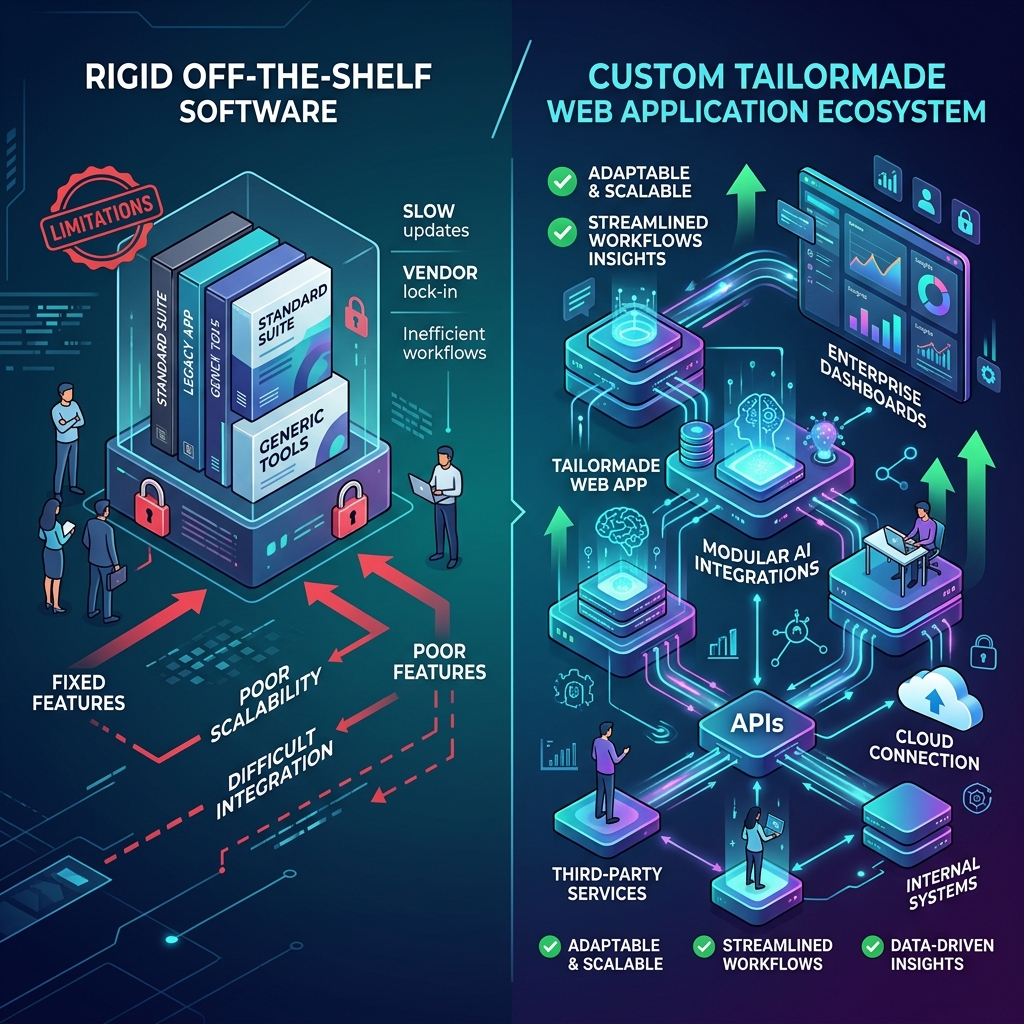
Why Businesses Are Moving from Off-the-Shelf Software to Custom Applications in 2026
Businesses are under constant pressure to work faster and adapt. Learn why organizations are switching from generic off-the-shelf software to custom applications built specifically around their workflows, AI, and growth plans in 2026.
Read More
Digital Marketing: How to Get More Leads, Customers & Sales Online
Not getting enough leads from your website? Discover how a results-focused digital marketing strategy combining SEO, Google Ads, Meta Ads, AI, and WhatsApp automation turns online search intent into measurable business growth.
Read More