
Enterprise Digital Transformation in 2026: How Modern Enterprises Use Technology to Scale Faster and Operate Smarter

Enterprise Digital Transformation in 2026: How Modern Enterprises Use Technology to Scale Faster and Operate Smarter
Enterprise businesses are operating in a world where customer expectations, competition, and technology are evolving faster than ever. Traditional operating models built on disconnected systems, manual approvals, spreadsheets, and isolated departments are becoming difficult to sustain.
Today, enterprises need more than software. They need connected systems, intelligent decision-making, automation, data visibility, and scalable digital infrastructure.
This is where Enterprise Digital Transformation becomes a business strategy—not simply a technology initiative. Organizations that transform successfully improve efficiency, reduce operational complexity, accelerate growth, and build stronger customer experiences.
What Is an Enterprise?
An enterprise is an organization operating at scale with multiple business functions, teams, processes, customers, and technology requirements. Enterprises often manage:
- Multiple departments
- Large operational volumes
- Distributed teams
- Complex reporting structures
- Large customer bases
- Multi-location operations
As enterprises grow, operational complexity increases. Without integrated systems, growth becomes difficult to manage.
Why Enterprises Are Accelerating Digital Transformation
Enterprise leaders are facing increasing pressure to improve operational efficiency, reduce costs, increase agility, enhance customer experience, and make faster decisions.
Traditional systems often create barriers. Common challenges include:
- Disconnected Platforms: Departments operate independently.
- Manual Processes: Routine activities consume resources.
- Data Silos: Information becomes difficult to access.
- Slow Decision-Making: Leadership lacks real-time visibility.
Digital transformation addresses these limitations.
Core Technologies Driving Enterprise Growth
1. Enterprise Resource Planning (ERP)
ERP systems connect business operations into a unified environment. Typical functions include Finance, Procurement, Supply chain, Operations, and Reporting. ERP creates operational consistency across the organization.
2. Artificial Intelligence (AI)
AI is becoming a foundational enterprise capability. AI supports automation (reducing repetitive work), forecasting (predicting business outcomes), analytics (generating insights from data), and customer experience (delivering personalized interactions).
3. Custom Enterprise Applications
Generic software often creates limitations. Custom applications allow enterprises to align technology with workflows, improve integration, and scale operations efficiently. Examples include internal portals, customer platforms, approval systems, and operational dashboards.
4. Cloud Infrastructure
Cloud technologies enable enterprises to scale quickly, improve accessibility, and reduce infrastructure overhead.
Why Data Is Becoming the Core Enterprise Asset
Enterprises generate large amounts of information every day. Without proper systems, insights remain hidden, decisions become slower, and opportunities are missed.
Data-driven organizations gain advantages through:
- Real-Time Reporting: Faster business decisions.
- Predictive Analytics: Better planning.
- Operational Visibility: Improved performance tracking.
Modern enterprises use data as a growth driver.
Enterprise Automation: Moving Beyond Manual Operations
Manual operations limit scalability. Automation enables faster workflows, reduced operational cost, and improved consistency.
Common enterprise automation examples:
- Approval Workflows: Reduce bottlenecks.
- Reporting Automation: Deliver instant insights.
- Customer Communication: Improve responsiveness.
- Internal Operations: Reduce repetitive tasks.
Automation supports sustainable growth.
How Enterprises Improve Customer Experience
Customer expectations continue to increase. Enterprise transformation now focuses heavily on customer outcomes. Key initiatives include:
- Omnichannel Experiences: Connected customer interactions.
- Personalization: Relevant communication.
- Faster Service Delivery: Improved satisfaction.
- Self-Service Capabilities: Greater convenience.
Better internal systems create better external experiences.
Building an Enterprise Technology Strategy
- Step 1 – Assess Current Operations: Identify process gaps and system limitations.
- Step 2 – Define Business Objectives: Examples include increasing efficiency, improving customer experience, and reducing operational cost.
- Step 3 – Select Technology Platforms: Evaluate scalability, integration capability, and long-term value.
- Step 4 – Implement Incrementally: Focus on measurable improvements.
- Step 5 – Optimization Continuously: Transformation is an ongoing process.
Common Enterprise Transformation Mistakes
Avoid:
- Technology-first decisions
- Excessive customization
- Ignoring adoption
- Lack of integration planning
- Poor change management
Enterprise success depends on balancing people, process, and technology.
Enterprise Trends Shaping 2026
Organizations are increasingly investing in:
- AI-powered operations
- Intelligent automation
- Enterprise analytics
- Cloud ecosystems
- Connected business platforms
- Data-driven decision-making
Why Enterprises Need a Long-Term Digital Vision
Transformation is no longer optional. Enterprises that delay modernization often face reduced competitiveness, higher operational costs, and slower execution. Organizations that invest strategically build stronger foundations for future growth.
Conclusion
Enterprise growth today depends on more than scale. It depends on how effectively technology supports operations, employees, customers, and decisions.
By combining automation, AI, custom applications, cloud infrastructure, and connected business systems, enterprises can improve efficiency, increase agility, and create sustainable growth.
About the Author
Priya Singh is a senior engineering contributor and technology consultant at SoftClinch, focusing on custom development implementations.
Need expert solutions?
Discuss how our team can help you automate workflows, integrate SAP systems, customize applications, and accelerate organic visibility.
Schedule ConsultationRelated Articles
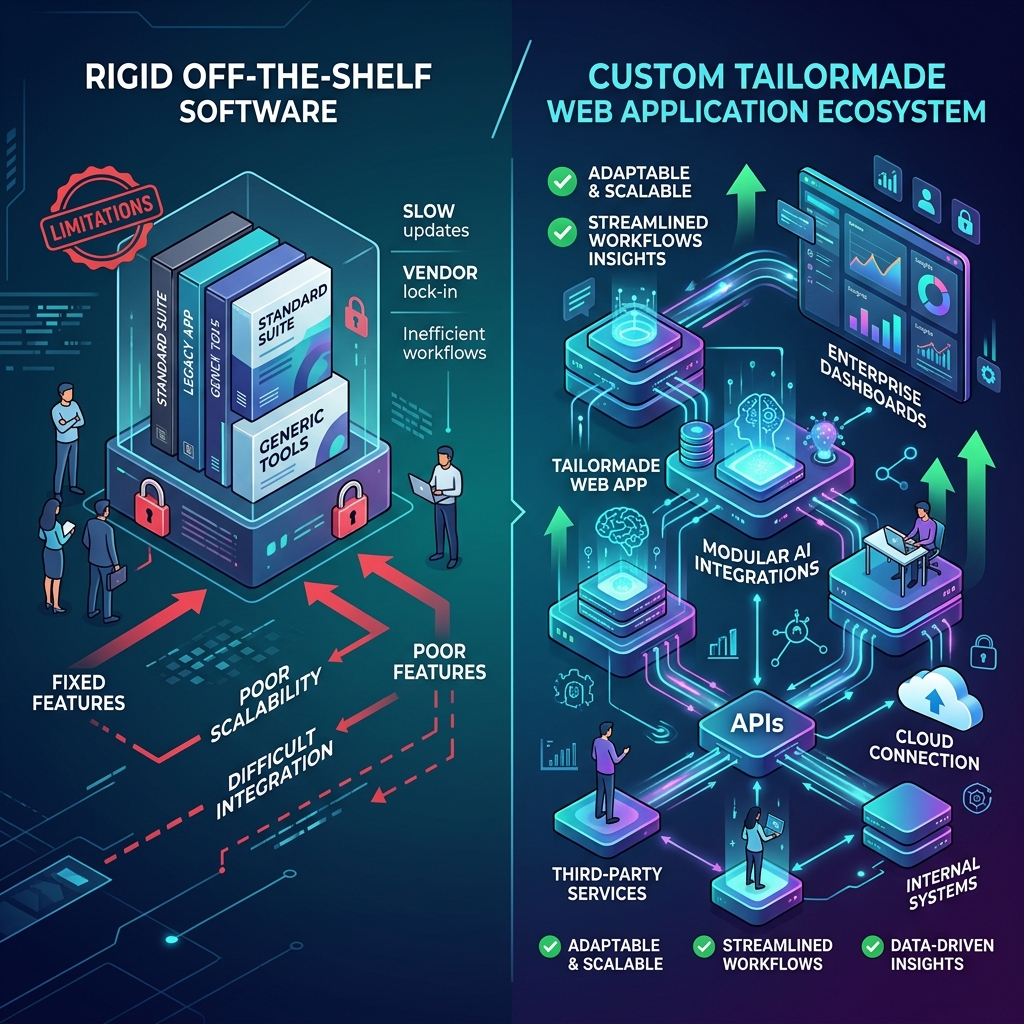
Why Businesses Are Moving from Off-the-Shelf Software to Custom Applications in 2026
Businesses are under constant pressure to work faster and adapt. Learn why organizations are switching from generic off-the-shelf software to custom applications built specifically around their workflows, AI, and growth plans in 2026.
Read More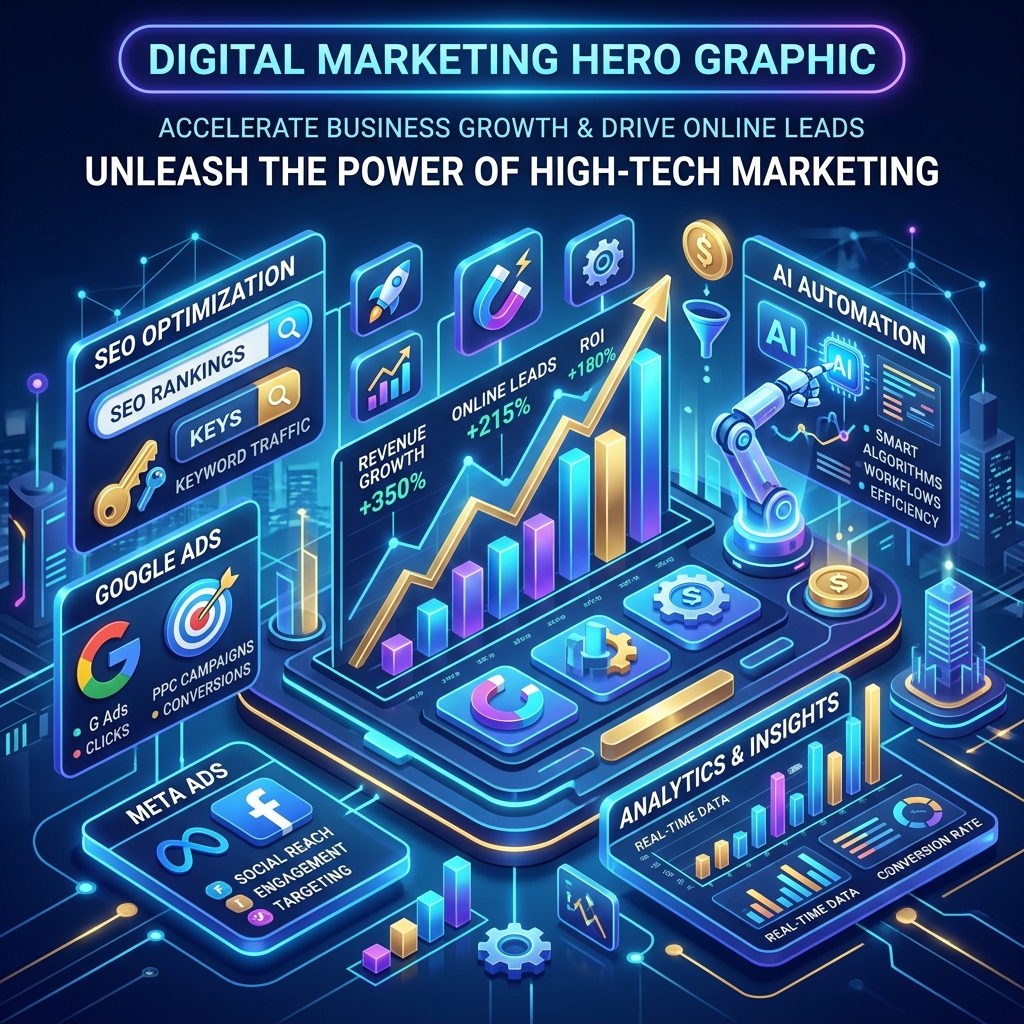
Digital Marketing: How to Get More Leads, Customers & Sales Online
Not getting enough leads from your website? Discover how a results-focused digital marketing strategy combining SEO, Google Ads, Meta Ads, AI, and WhatsApp automation turns online search intent into measurable business growth.
Read More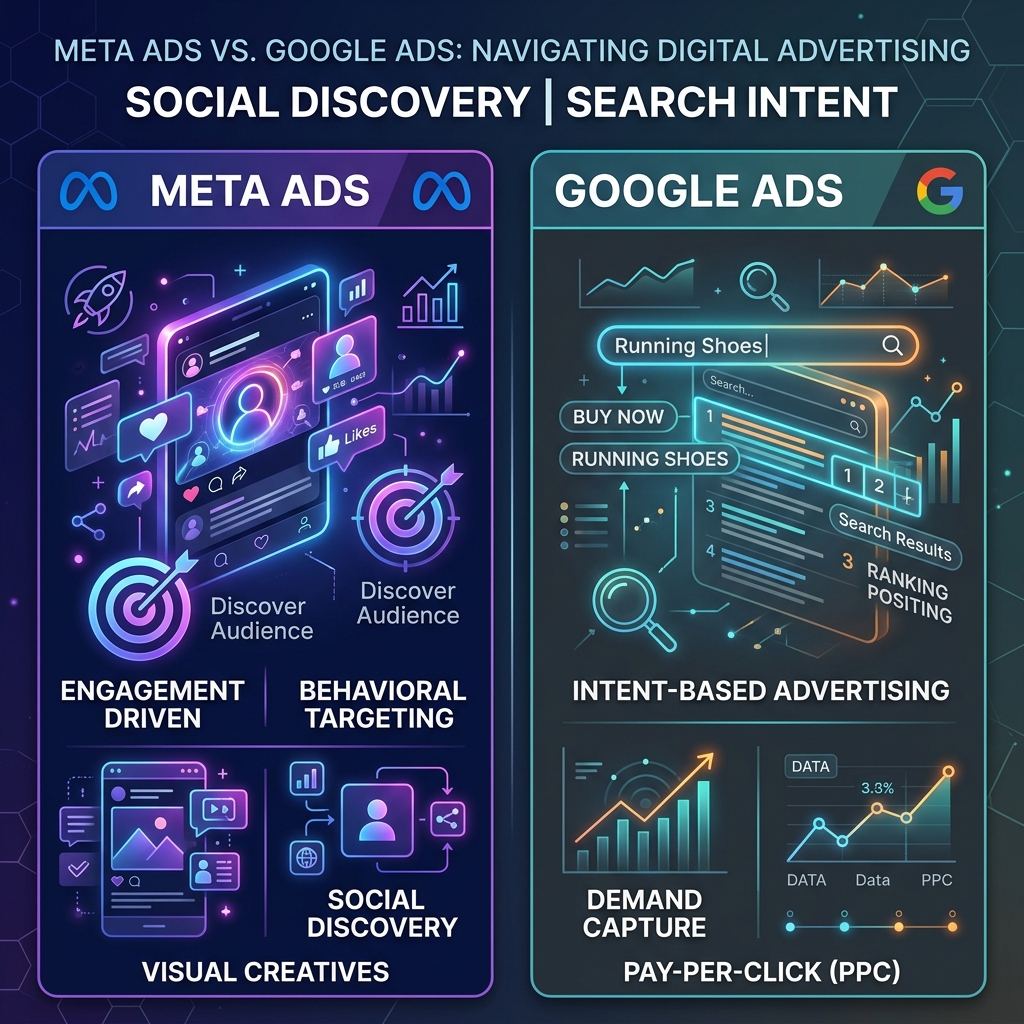
Meta Ads vs Google Ads: Which Advertising Platform Is Right for Your Business?
Choosing the right advertising platform is essential for achieving your marketing goals. Compare Meta Ads and Google Ads based on targeting, cost, intent, and business objectives to find the best fit.
Read More