
SAP in 2026: How Modern Businesses Use SAP to Improve Efficiency, Automation, and Growth

SAP in 2026: How Modern Businesses Use SAP to Improve Efficiency, Automation, and Growth
As businesses grow, operations become more complex. Teams begin using multiple tools for finance, procurement, inventory, reporting, approvals, customer management, and project execution. Over time, disconnected systems create delays, duplicate work, inconsistent reporting, and slower decision-making.
This is where SAP becomes important.
SAP is not simply software—it is an enterprise platform designed to connect business processes into one integrated environment. Organizations across industries use SAP to improve operational visibility, automate workflows, reduce inefficiencies, and support long-term growth.
In 2026, SAP is evolving further with cloud capabilities, AI integration, analytics, and intelligent automation. This blog explains what SAP is, why businesses invest in it, and how it supports digital transformation.
What Is SAP?
SAP (Systems, Applications, and Products in Data Processing) is an enterprise software platform that helps businesses manage and integrate core operations.
Instead of maintaining separate systems for different departments, SAP creates a connected environment where information flows across the organization. Typical areas managed through SAP include:
- Finance
- Procurement
- Supply chain
- Human resources
- Inventory
- Manufacturing
- Sales
- Customer management
- Reporting and analytics
The goal is simple: One business → One connected system → Better decisions
Why Businesses Move to SAP
Many growing organizations face common challenges:
- Multiple disconnected tools
- Manual approvals
- Spreadsheet dependency
- Slow reporting
- Data inconsistency
- Limited operational visibility
These issues increase costs and reduce efficiency. SAP helps solve these challenges through integration and automation.
Core Benefits of SAP for Modern Businesses
1. Centralized Business Operations
Without SAP, Finance uses one platform, Operations use another, and reporting happens manually. With SAP, departments work through one integrated environment. This leads to shared information, better collaboration, and faster execution.
2. Real-Time Data and Decision-Making
Traditional reporting often delays decisions. SAP provides:
- Live dashboards
- Operational visibility
- Performance tracking
- Data-driven insights
Leaders gain faster access to business information.
3. Business Process Automation
Manual workflows slow growth. SAP automates:
- Procurement: Automated approvals and purchasing.
- Finance: Invoice processing and reporting.
- Operations: Workflow execution and monitoring.
- Human Resources: Employee lifecycle management.
Automation reduces repetitive work and improves consistency.
4. Improved Customer Experience
Customer expectations continue to increase. SAP supports better experiences through:
- Faster service delivery
- Better order tracking
- More accurate information
- Connected customer interactions
Customer satisfaction improves when internal processes become efficient.
Key SAP Modules Businesses Commonly Use
- SAP Finance (FI): Supports financial reporting, accounting, budget management, and compliance. Ideal for improving financial visibility.
- SAP Supply Chain Management (SCM): Helps businesses manage inventory, improve logistics, and optimize procurement. Useful for reducing operational delays.
- SAP Human Capital Management (HCM): Supports employee management, payroll, and performance tracking. Helps improve workforce efficiency.
- SAP Sales and Distribution (SD): Manages customer orders, billing, and distribution processes. Supports revenue operations.
- SAP Customer Experience (CX): Focuses on customer engagement, marketing, commerce, and service operations. Improves customer lifecycle management.
SAP and Artificial Intelligence: The New Enterprise Advantage
One of the biggest shifts in SAP adoption is AI integration. AI enhances enterprise operations by making systems more intelligent:
- Predictive Analytics: Forecast business outcomes.
- Intelligent Automation: Reduce manual intervention.
- Smart Recommendations: Support better decisions.
- Conversational Experiences: Improve employee and customer interactions.
AI transforms SAP from a management platform into a business optimization platform.
SAP Cloud: Why Businesses Are Moving Away from Traditional Infrastructure
Cloud adoption continues to accelerate. SAP Cloud solutions offer:
- Faster deployment
- Improved scalability
- Reduced infrastructure effort
- Flexible operations
Organizations gain more agility and reduce technology complexity.
Common Challenges During SAP Implementation
Many implementations fail because businesses underestimate preparation. Typical challenges include:
- Unclear objectives
- Limited user adoption
- Poor change management
- Complex customization
- Weak integration planning
Successful SAP projects begin with business strategy—not software selection.
How to Prepare for a Successful SAP Implementation
- Step 1 – Define Business Objectives: Identify existing problems and desired outcomes.
- Step 2 – Evaluate Current Systems: Understand data structure and process maturity.
- Step 3 – Design Future Workflows: Focus on simplicity, automation, and scalability.
- Step 4 – Train Teams: Technology succeeds through adoption.
- Step 5 – Continuously Optimize: Implementation should evolve with business needs.
Industries That Benefit Most from SAP
SAP supports organizations across sectors:
- Manufacturing: Production and operations.
- Healthcare: Process efficiency and reporting.
- Retail: Inventory and customer experience.
- Financial Services: Operational visibility.
- Professional Services: Project and resource management.
Future of SAP in 2026 and Beyond
Enterprise technology is moving toward AI-driven operations, intelligent automation, cloud ecosystems, real-time analytics, and connected business environments. SAP continues evolving to support these expectations, and organizations adopting these capabilities early gain stronger operational advantages.
Conclusion
Modern business growth depends on speed, visibility, and intelligent execution. SAP helps organizations replace fragmented operations with connected processes, real-time insights, and scalable infrastructure.
When implemented strategically, SAP becomes more than enterprise software—it becomes the foundation for digital transformation and sustainable business growth.
About the Author
Rajesh Kumar is a senior engineering contributor and technology consultant at SoftClinch, focusing on sap implementations.
Need expert solutions?
Discuss how our team can help you automate workflows, integrate SAP systems, customize applications, and accelerate organic visibility.
Schedule ConsultationRelated Articles
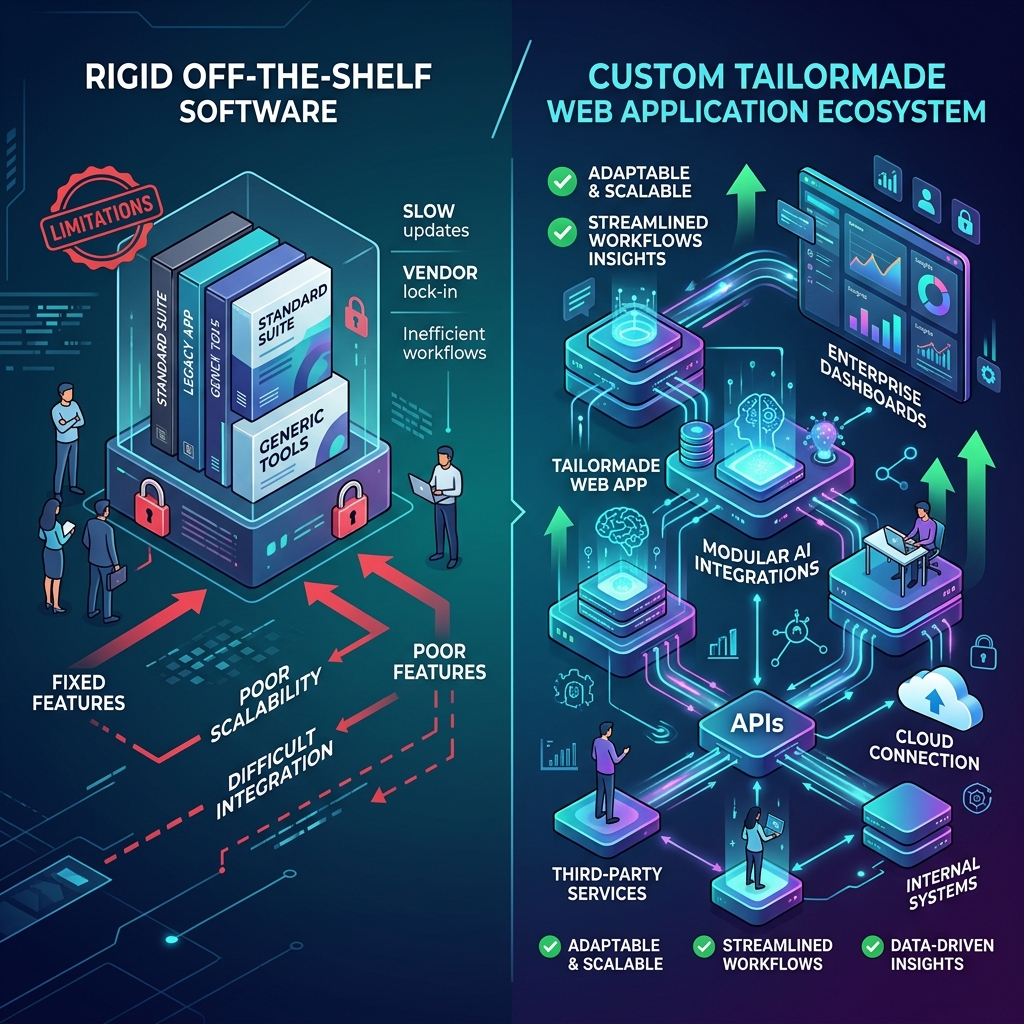
Why Businesses Are Moving from Off-the-Shelf Software to Custom Applications in 2026
Businesses are under constant pressure to work faster and adapt. Learn why organizations are switching from generic off-the-shelf software to custom applications built specifically around their workflows, AI, and growth plans in 2026.
Read More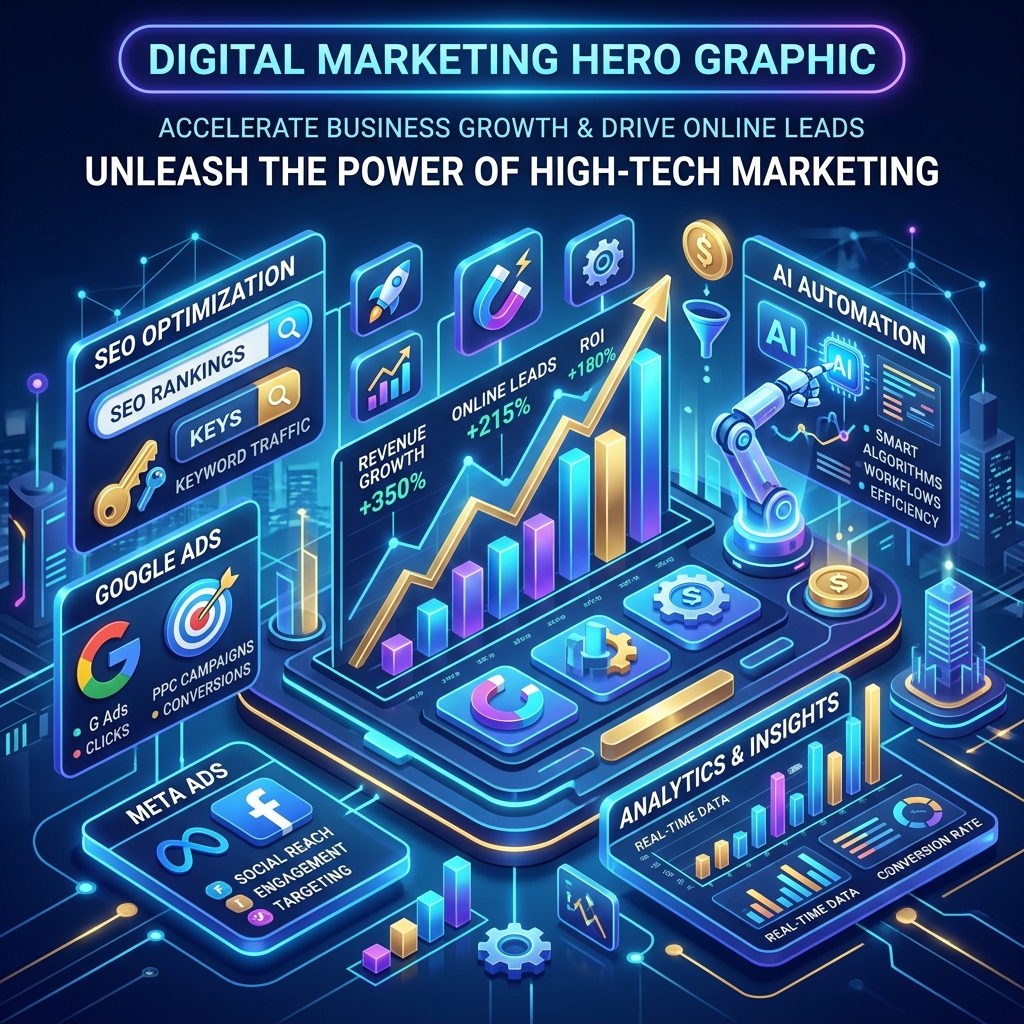
Digital Marketing: How to Get More Leads, Customers & Sales Online
Not getting enough leads from your website? Discover how a results-focused digital marketing strategy combining SEO, Google Ads, Meta Ads, AI, and WhatsApp automation turns online search intent into measurable business growth.
Read More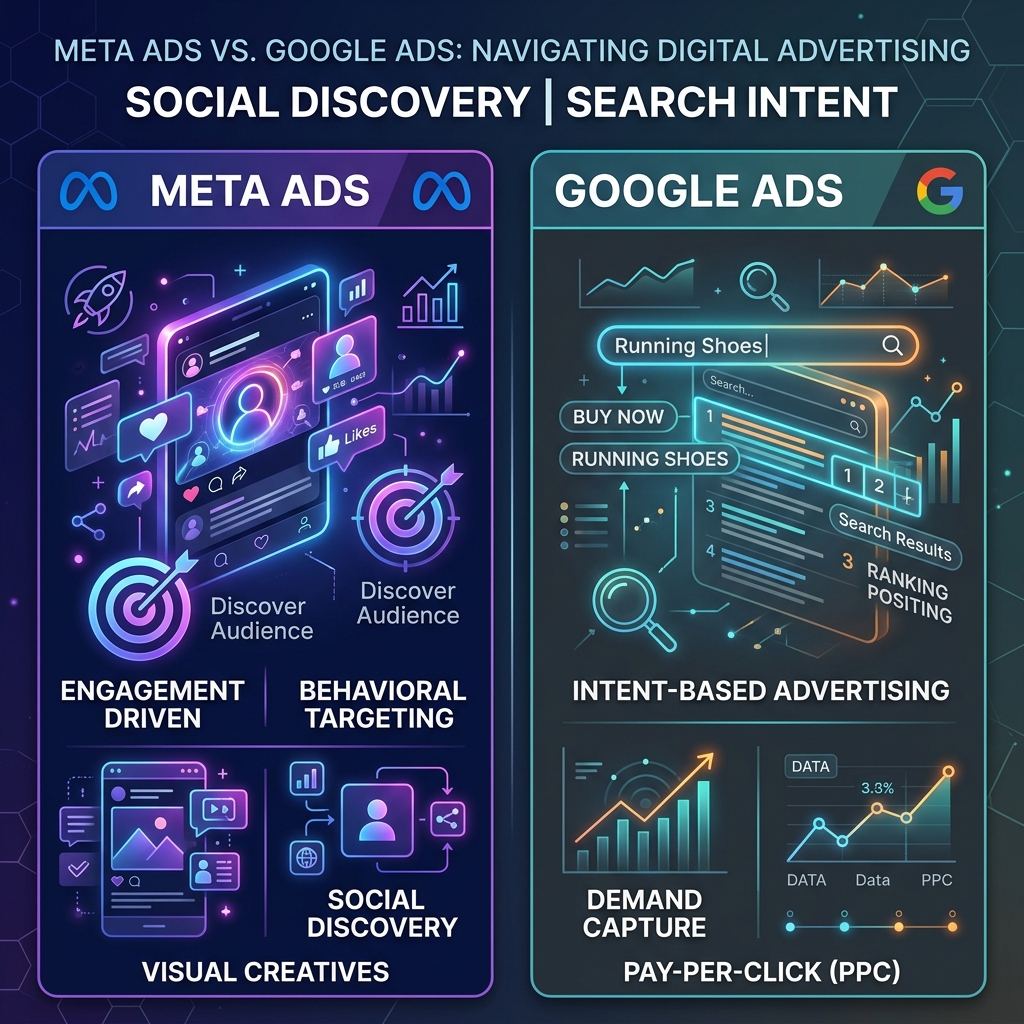
Meta Ads vs Google Ads: Which Advertising Platform Is Right for Your Business?
Choosing the right advertising platform is essential for achieving your marketing goals. Compare Meta Ads and Google Ads based on targeting, cost, intent, and business objectives to find the best fit.
Read More